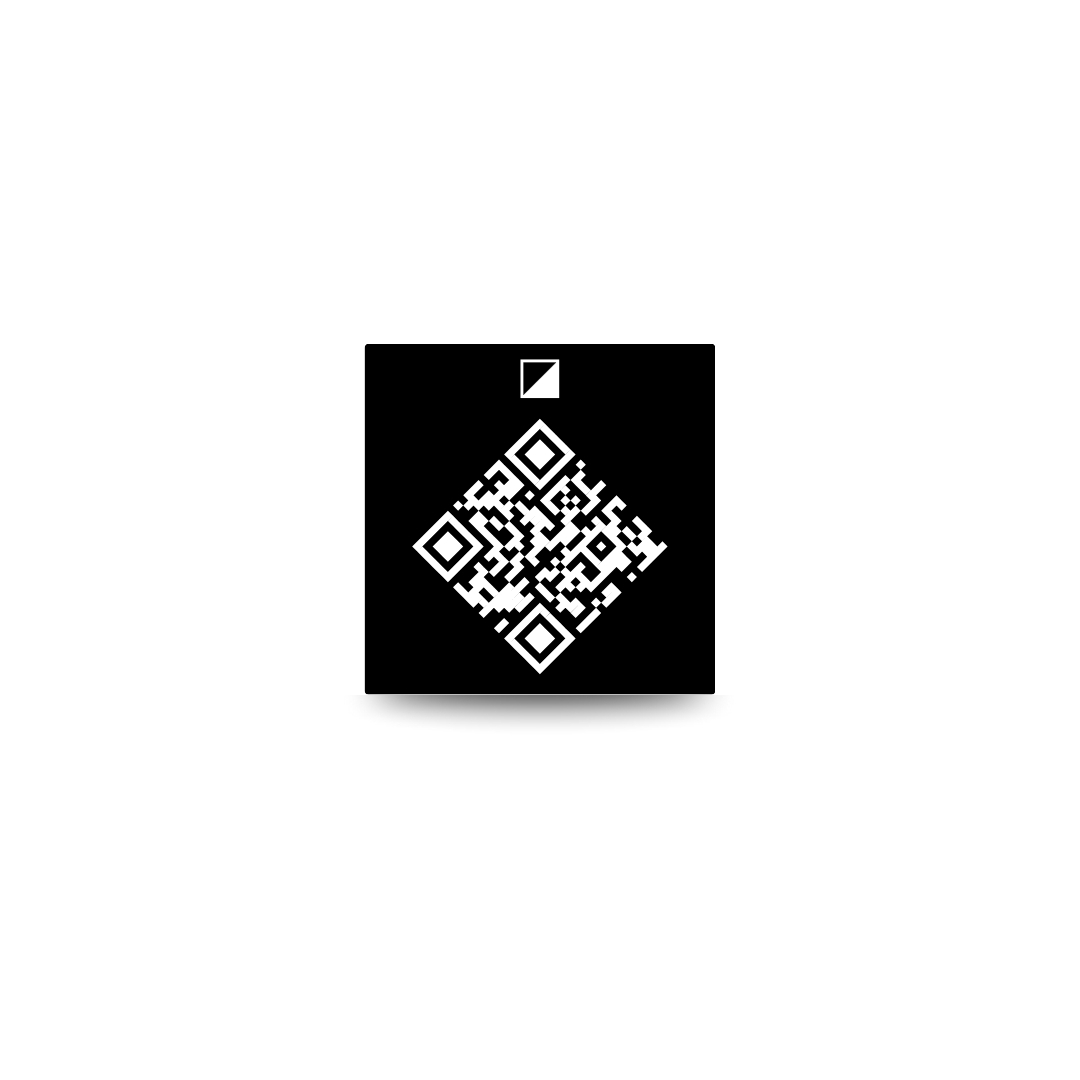
When someone scans a memorial QR code, their phone opens a digital memorial page with photos, videos, stories, timelines, and tributes chosen by the family.
The scan does not have to be complicated. Most modern phones can scan a QR code from the camera app. The visitor points the camera at the code, taps the link that appears, and the memorial page opens in the browser.
The scan opens a page
A memorial QR code works like a printed link. The code contains a web address for a memorial page. When a visitor scans it, the phone reads the code and offers to open that address.
The page might be connected to a headstone, urn, grave marker, bench, tree, garden marker, or home memorial display. The physical plate gives visitors a way to move from a quiet place of remembrance to a fuller story.
The first screen should make it clear whose memorial page the visitor is viewing. It may show a name, photo, dates, and a short introduction. From there, the visitor can read more, look through photos, or leave a tribute if the family allows it.
You can try the experience with this example memorial. It shows how a page can hold more than a name and dates while still staying calm and respectful.
What visitors can see
What visitors see depends on what the family adds and what privacy setting the family chooses.
A memorial page may include:
- A main photo and short life story
- Photo albums
- Videos
- A timeline of important moments
- Favorite songs, sayings, recipes, or places
- Notes from family and friends
- Tribute messages
The strongest memorial pages are not always the longest. A few well-chosen photos and honest stories can say more than a crowded page. Families can begin with the basics and add more later as memories come in.
Visitors may include relatives, old friends, coworkers, neighbors, classmates, or people who never had the chance to know the person well. For them, the page can explain the life behind the stone or plaque.
If you are deciding what belongs on the page, the guide on how to preserve family stories after a funeral offers simple ways to gather photos, captions, and short memories.
What visitors can contribute
Some memorial pages allow visitors to contribute tributes. A tribute might be a short message, a story, a memory, or a note to the family.
This can be meaningful after the service, when people remember things they did not get to say in person. A friend may share a workplace story. A grandchild may write a note on a birthday. A neighbor may remember a kindness that the family never heard about.
Families should decide how open they want contributions to be. A page can be set up so only invited people can add or manage content. Depending on the settings, family members may be able to review tributes before they appear.
It helps to give people a gentle prompt. Instead of asking for a long message, try:
- "Share one memory."
- "Tell us what you will remember most."
- "Add a photo and a short caption."
- "Write a note for the family."
No one should feel pressured to contribute. Some visitors will simply read, look at photos, and remember quietly.
Privacy settings
Privacy is one of the first things to think about when connecting a QR code to a memorial page. Beyond This Stone pages can be public, link-only, or private.
Public pages are intended for broader viewing. They can make sense when the family wants friends, extended relatives, and community members to find the page easily.
Link-only pages are shared through the link or QR code. This is a common choice for memorial QR codes because visitors at the physical memorial can scan and view the page, while the family still keeps sharing more limited.
Private pages are for families who want tighter control. This may be best when the page includes personal photos, sensitive details, or memories meant only for close relatives.
Before choosing, ask what you would feel comfortable with a stranger seeing if they scanned the code at a cemetery. That question can make the decision clearer.
For more detail, read private vs public online memorial pages.
What if the phone has no signal?
A QR code needs a phone camera to read it, and the memorial page needs an internet connection to load. If the visitor has no signal at the cemetery or memorial location, the page may not open right away.
That does not mean the code is broken. The visitor can try again from a spot with better service. If the phone shows the link, they may be able to save it or open it later when connected to Wi-Fi or cellular data.
Families can help by testing the scan in the actual location before assuming everything works well. Test with more than one phone if possible. Check for glare, shadows, distance, and angle. The instructions page can help with placement and setup.
If the code still does not scan when there is good signal and clear lighting, contact support so the issue can be checked.
How Beyond This Stone fits
Beyond This Stone combines a physical QR code plate with a permanent memorial page. The memorial QR code plate is a 2x2 anodized aluminum plate that costs $99.99 one time, includes free US shipping, and has an optional 10-year warranty.
The memorial page can hold photos, videos, stories, and tributes. Families can keep it public, link-only, or private. The QR code gives visitors a simple way to open the page from a physical memorial without typing a long web address.
If you are wondering whether this kind of marker feels appropriate, read are memorial QR codes respectful. If durability is your main question, see how long memorial QR codes last.
Frequently asked questions
Does someone need an app to scan a memorial QR code?
Usually no. Most modern phones scan QR codes through the camera app. The visitor points the camera at the code and taps the link that appears.
What does the QR code open?
It opens a memorial page chosen by the family. That page can include photos, videos, stories, a timeline, and tribute messages.
Can visitors add memories after scanning?
They may be able to, depending on the page settings. Families can choose who can contribute and how tributes are managed.
What happens if there is no cell service at the cemetery?
The phone may scan the code, but the page may not load until the visitor has internet service. Try again from a spot with better signal or later on Wi-Fi.
